









Introduction
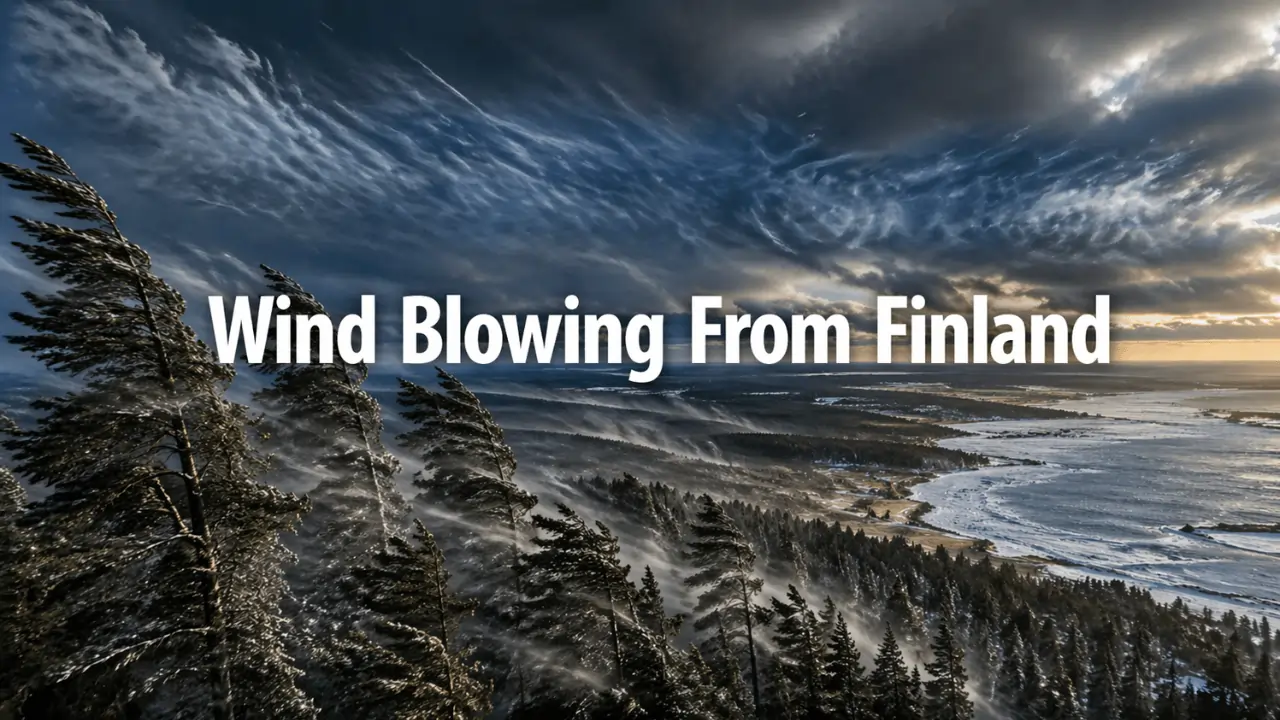
Weather in Northern Europe is shaped by a combination of ocean currents, seasonal air masses, and regional wind systems. Among these influences, wind blowing from finland plays an important role in determining temperature patterns, moisture levels, and seasonal weather conditions in surrounding regions.
Finland’s location between the Atlantic Ocean, the Arctic region, and continental Europe places it at the center of several major weather systems. As air moves across the country, it carries characteristics that can influence weather far beyond Finland’s borders. Understanding these wind patterns helps explain why temperatures, rainfall, snowfall, and storm activity vary throughout the year.
Finland’s Strategic Location in Northern Europe
Finland occupies a unique geographical position in Northern Europe. It borders Sweden, Norway, and Russia while also extending along the Baltic Sea and the Gulf of Finland. This location exposes the country to multiple atmospheric influences that shape its climate.
Air masses reaching Finland may originate from the Atlantic Ocean, the Arctic, or the Eurasian continent. As these air masses move across Finnish territory, they continue toward neighboring regions, creating weather conditions that can affect millions of people.
Because of this geographic setting, wind blowing from finland can sometimes bring mild and moist conditions, while at other times it can deliver cold Arctic air.
The Most Common Winds in Finland
Southwesterly Winds Dominate Throughout the Year
The prevailing wind direction in Finland is from the southwest. These winds carry relatively warm and humid air from the North Atlantic.
Southwesterly winds are one of the main reasons Finland experiences milder temperatures than many regions located at similar northern latitudes. The moisture transported by these winds also contributes to rainfall and supports Finland’s vast forests and lake systems.
When these air currents continue eastward, wind blowing from finland can influence weather conditions in nearby areas by transporting moisture and moderating temperatures.
Why Southwesterly Winds Matter
Without these Atlantic-driven winds, Finland would experience much harsher weather conditions. Their warming effect helps reduce temperature extremes and supports a more balanced climate throughout much of the year.
Arctic Air and Winter Weather
Cold Northern Winds During Winter
Winter introduces a completely different weather pattern across Finland. Strong northerly winds frequently transport cold Arctic air into the country, especially between late autumn and early spring.
These cold air masses can cause temperatures to fall rapidly. Snow accumulation increases, and prolonged periods of freezing conditions become common, particularly in northern regions such as Lapland.
During severe winter outbreaks, wind blowing from finland may carry exceptionally cold air toward neighboring countries around the Baltic region.
Impact on Regional Weather
Cold Finnish air can contribute to:
- Lower temperatures across Northern Europe
- Increased snowfall in some regions
- Frost formation and icy conditions
- Higher energy demand during winter months
These effects demonstrate how Finnish weather patterns can extend beyond national borders.
The Gulf Stream’s Influence on Finnish Winds
A Key Factor Behind Finland’s Climate
One of the most important influences on Finland’s weather is the Gulf Stream. This powerful ocean current transports warm water from lower latitudes toward Northern Europe.
As Atlantic air moves over these warmer waters, it absorbs heat and moisture before reaching Finland. This process helps maintain temperatures that are significantly milder than those normally expected at Finland’s latitude.
The interaction between the Gulf Stream and atmospheric circulation means that wind blowing from finland does not always bring cold conditions. Depending on the season, these winds can carry relatively mild air that has already been influenced by Atlantic warmth.
Finland and the Westerly Wind Belt
Understanding the Larger Weather System
Finland lies within the Northern Hemisphere’s westerly wind belt, a region where prevailing winds generally move from west to east.
This atmospheric pattern plays a major role in distributing heat, moisture, and weather systems across Europe. Because Finland sits directly within this zone, weather conditions often change quickly.
Warm and cool air masses frequently interact over the region, creating a dynamic climate characterized by varying temperatures, rainfall, snowfall, and wind speeds.
These changing conditions contribute to the diverse nature of wind blowing from finland throughout the year.
Seasonal Changes in Finnish Wind Patterns
Spring Conditions
During spring, wind patterns become more variable as winter transitions into warmer weather. Winds help accelerate snowmelt and influence local temperature fluctuations.
Summer Conditions
Summer generally brings lighter and more stable winds. Coastal regions benefit from refreshing sea breezes that help moderate temperatures during warmer periods.
Autumn Conditions
Autumn is often associated with stronger winds and increased storm activity. Temperature differences between land and sea become more pronounced, creating favorable conditions for powerful weather systems.
Winter Conditions
Winter winds are typically stronger and colder. Arctic air masses become more dominant, producing periods of intense cold and heavy snowfall.
These seasonal variations explain why wind blowing from finland can have very different characteristics depending on the time of year.
The Importance of the Gulf of Finland
A Unique Regional Wind Corridor
The Gulf of Finland plays a significant role in shaping local wind behavior. Its narrow and elongated shape can channel winds along a specific path, strengthening airflow in certain areas.
Strong winds over the gulf can generate high waves and affect maritime transportation. Coastal communities and shipping operators closely monitor changing wind conditions because they directly influence navigation and safety.
The Gulf of Finland also serves as an important pathway for weather systems moving between Finland and neighboring countries.
Storm Activity and Strong Winds
Peak Storm Season
The strongest wind events in Finland typically occur from October through January. During this period, powerful low-pressure systems move across Northern Europe and generate strong winds.
Coastal regions are particularly vulnerable because they are more exposed to open-air flow from the Baltic Sea.
Strong storms can result in:
- Transportation disruptions
- Power outages
- Tree damage
- Coastal flooding in some areas
Monitoring wind forecasts is essential during these months because conditions can change rapidly.
Climate Change and Future Wind Patterns
Ongoing Changes in Northern Europe
Scientists continue to study how climate change may affect wind behavior across Finland and the wider Northern European region.
Research suggests that average wind speeds may change over time as Arctic temperatures rise and atmospheric circulation patterns shift. Changes in sea ice coverage and ocean temperatures could also influence future weather systems.
As these environmental changes continue, wind blowing from finland may evolve in ways that affect transportation, agriculture, energy production, and weather forecasting across the region.
Conclusion
Wind patterns originating from Finland are closely connected to the country’s location, surrounding seas, Atlantic influences, and Arctic air masses. Throughout the year, these winds help shape temperatures, precipitation levels, and seasonal weather conditions across Northern Europe.
Whether carrying mild Atlantic air or cold Arctic conditions, wind blowing from finland remains an important component of the broader weather systems that influence the region. Understanding these patterns provides valuable insight into how climate and atmospheric circulation interact across Northern Europe.
Frequently Asked Questions
1.What does wind blowing from finland mean?
The term generally refers to air masses and wind currents that originate in or move across Finland before affecting weather conditions in nearby regions.
2. What is the most common wind direction in Finland?
Southwesterly winds are the most common and frequently bring mild, moist Atlantic air into the country.
3. Does wind blowing from finland always bring cold weather?
No. Depending on the season, these winds may carry either cold Arctic air or relatively mild Atlantic-influenced air.
4. How does the Gulf Stream affect Finland’s weather?
The Gulf Stream helps warm the air reaching Finland, reducing temperature extremes and contributing to a milder climate.
5. Can climate change alter Finnish wind patterns?
Yes. Rising temperatures, changing Arctic conditions, and shifts in atmospheric circulation may influence future wind behavior across Finland and Northern Europe.
Read More: Proceu: Meaning, Uses, Branding Potential, Market Value and Growth Opportunities